Software applications for regulated lab operations
Guardian, Equipment, Inventory, Samples, Space, Procurement, Qualification, and Waste can be adopted
module by module. Each application turns physical events, people actions, assets, samples, materials,
experiment windows, and reviews into governed operating records.
Start with one operational risk, then expand into adjacent workflows
These modules are product surfaces buyers can evaluate directly. In the platform architecture, they
also form the application layer that shares physical signals, asset records, sample and material
context, experiment windows, people actions, audit trails, site-level governance, and EHS safety-event records.
Monitoring entry point + EHS response
Guardian
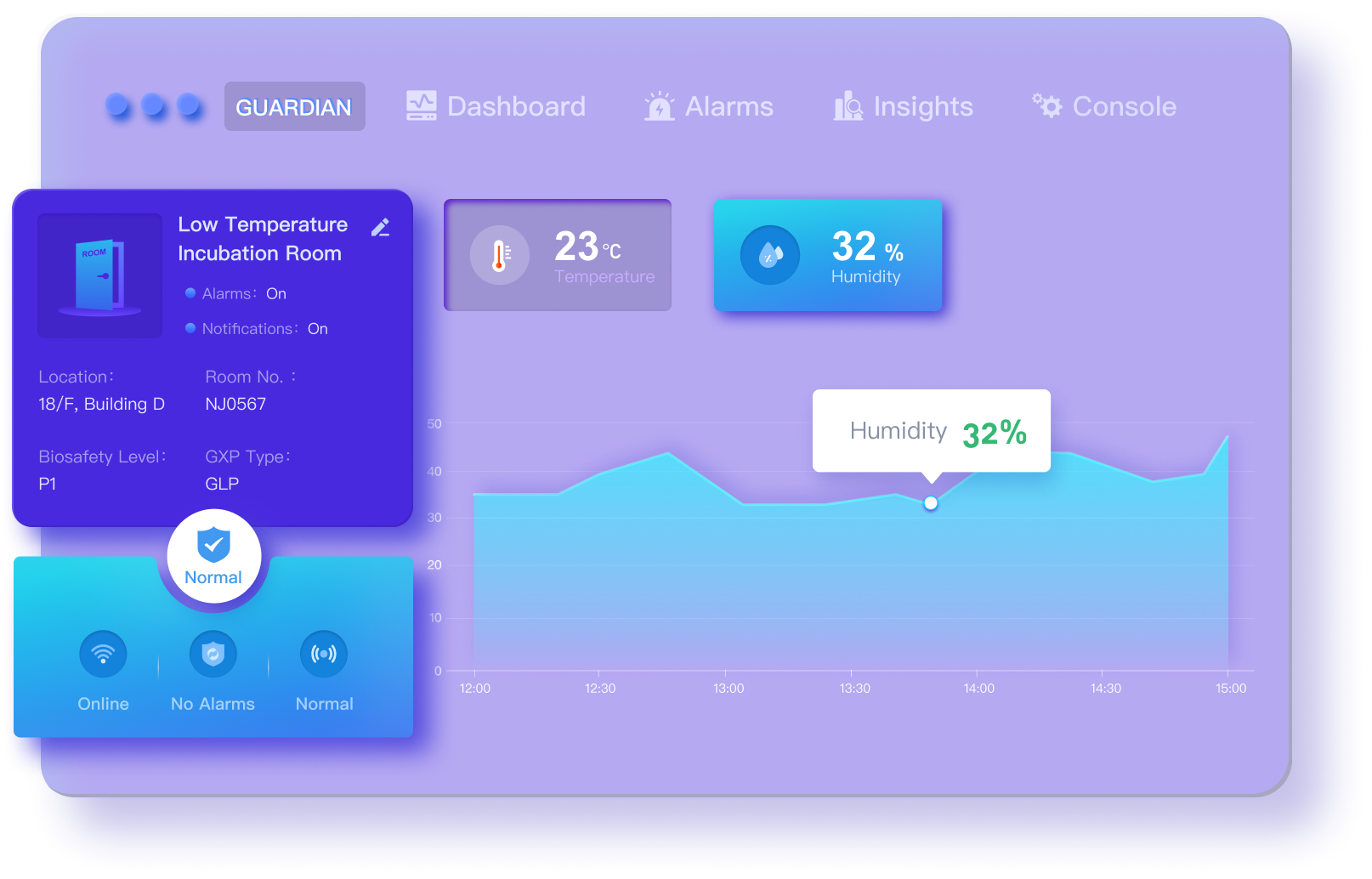
Guardian starts with continuous monitoring, but its value is not the signal alone. It connects critical lab conditions and safety signals to asset context, sample risk, SOP thresholds, escalation owners, response notes, corrective action, and audit-ready evidence across cold storage, gas, oxygen, fume-hood containment, incubators, shakers, chambers, rooms, and power use. This makes monitoring data usable as audit-ready operating records, not just an alarm history. For freezer monitoring, Guardian can surface compressor-status risk before internal temperature crosses the configured alarm threshold; for cylinder gas supply, it can turn camera-based pressure-gauge readings into low-pressure alerts and refill workflows.
Plug-and-play deployment with web and mobile visibility.
Smart configurable alerts with sensor-fusion logic to reduce false alarms.
Alert history, notes, dashboards, and analytics for audits and operations.
Experiment-window overlays for CO2, temperature, humidity, door, power, and disturbance history.
Safety-event records for alarms, acknowledgement, escalation, response notes, and corrective action.
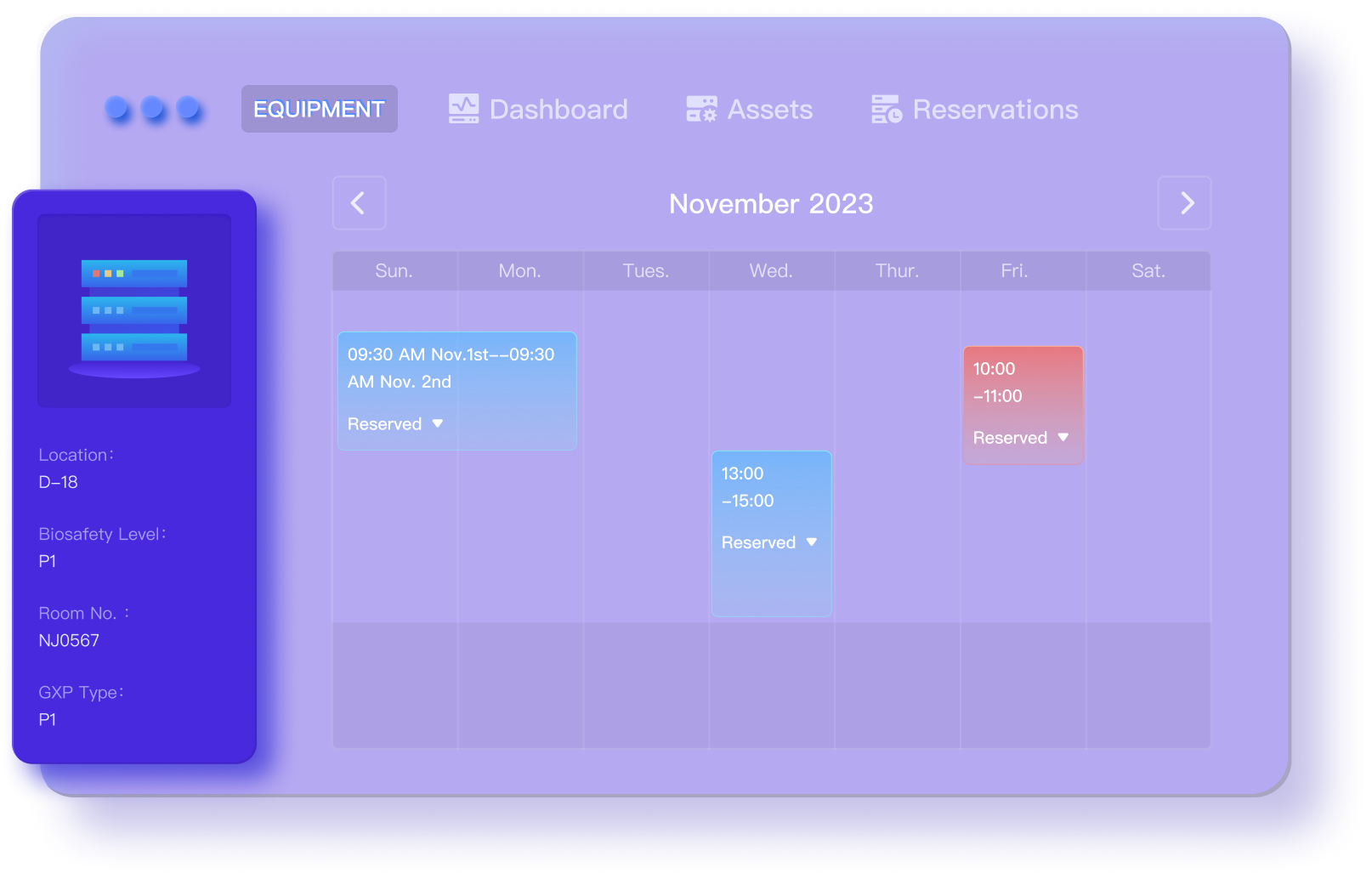
Equipment turns instrument ownership, service, booking, utilization, and lifecycle records into a governed operating system for shared scientific infrastructure and CAPEX decisions.
Asset ledger from budgeting and acquisition through service, transfer, and disposal.
Work orders, maintenance schedules, service contracts, documents, and accessories.
Booking rules, approval workflows, real utilization dashboards, sharing opportunities, and purchasing evidence.
Run time, idle time, downtime, service context, and utilization trends for replacement or expansion planning.
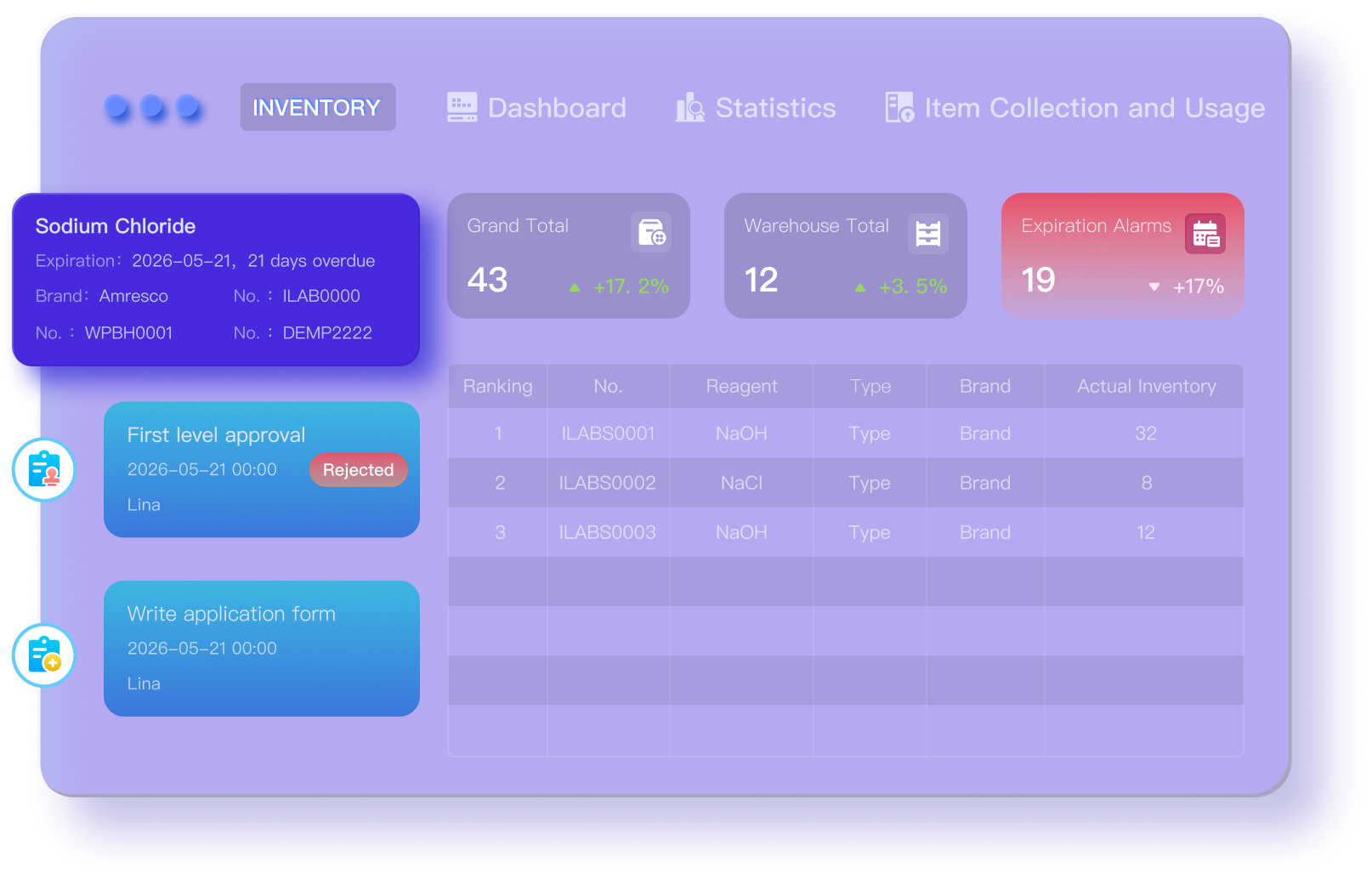
Alerts for low stock, expiration, late returns, discrepancies, turnover, slow-moving stock, and cost exposure.
Demand and consumption patterns for procurement optimization, reorder timing, and waste reduction.
Chemical exposure, spill, and material-involved safety events can be linked back to inventory records.
Context created: material location, custody, availability, safety, OPEX exposure, and demand signals.
Biological assets
Samples
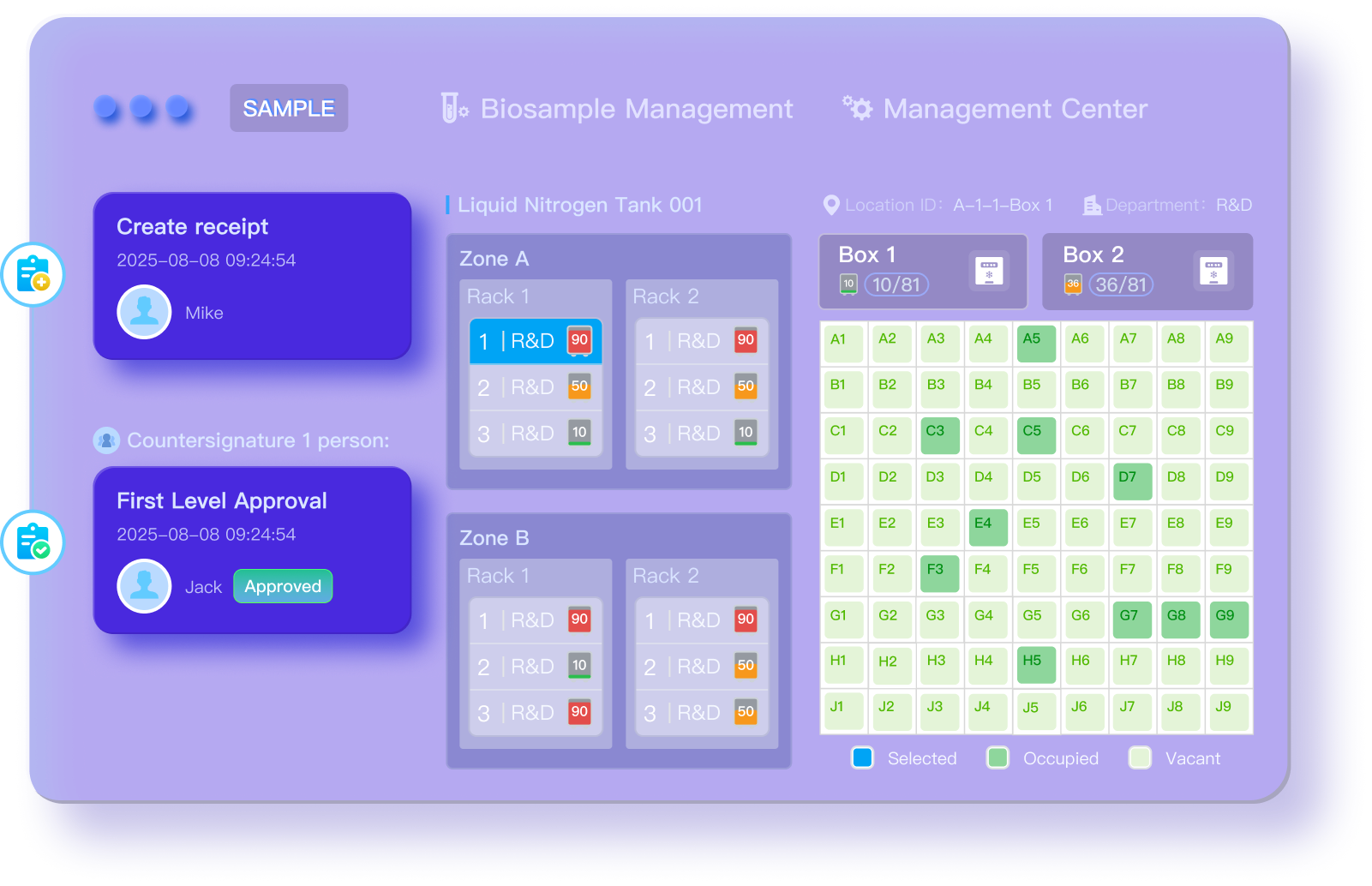
Samples helps teams see whether biological and research samples were exposed to freezer failure, compressor-risk events, cryo events, door openings, transfer delays, or handling exceptions during the experiment period.
Condition linkage with Guardian events to answer: was this sample affected by a freezer compressor warning, temperature excursion, cryo, door, power, or room event?
Align sample handling and storage exposure with the experiment period under review.
Storage maps for freezers, cryogenic tanks, shelves, boxes, and positions.
Chain-of-custody records for check-in, transfer, retrieval, return, and disposal when regulated traceability is needed.
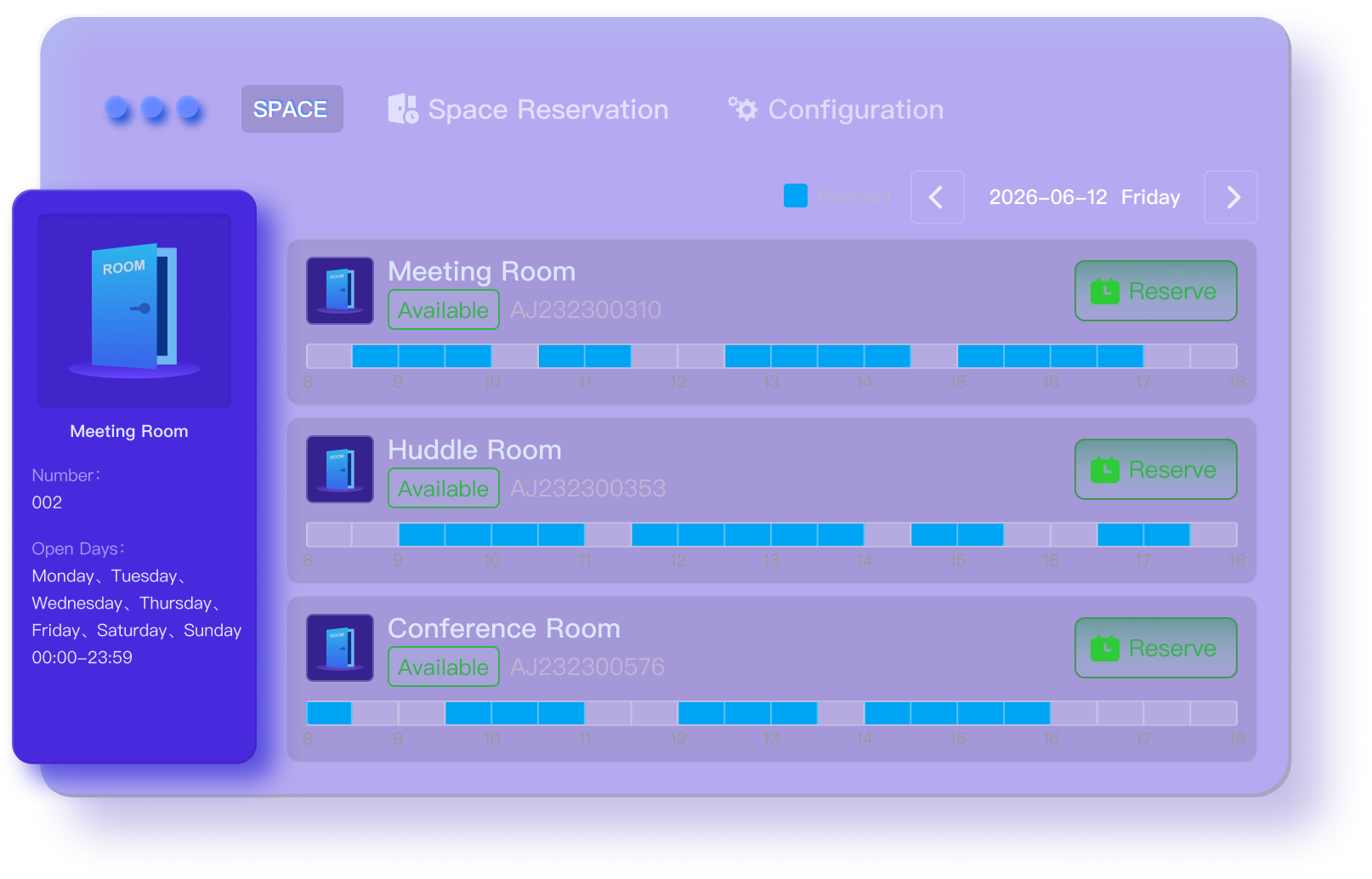
Space connects rooms, benches, storage zones, utilities, environmental health, and occupancy into a site-level view of how scientific space is actually used.
Room, bench, workstation, storage, and utility-area records.
Occupancy, environmental, access, and utilization context for planning.
Zone-based governance for cleanrooms, freezer rooms, gas areas, fume-hood locations, and chemical storage.
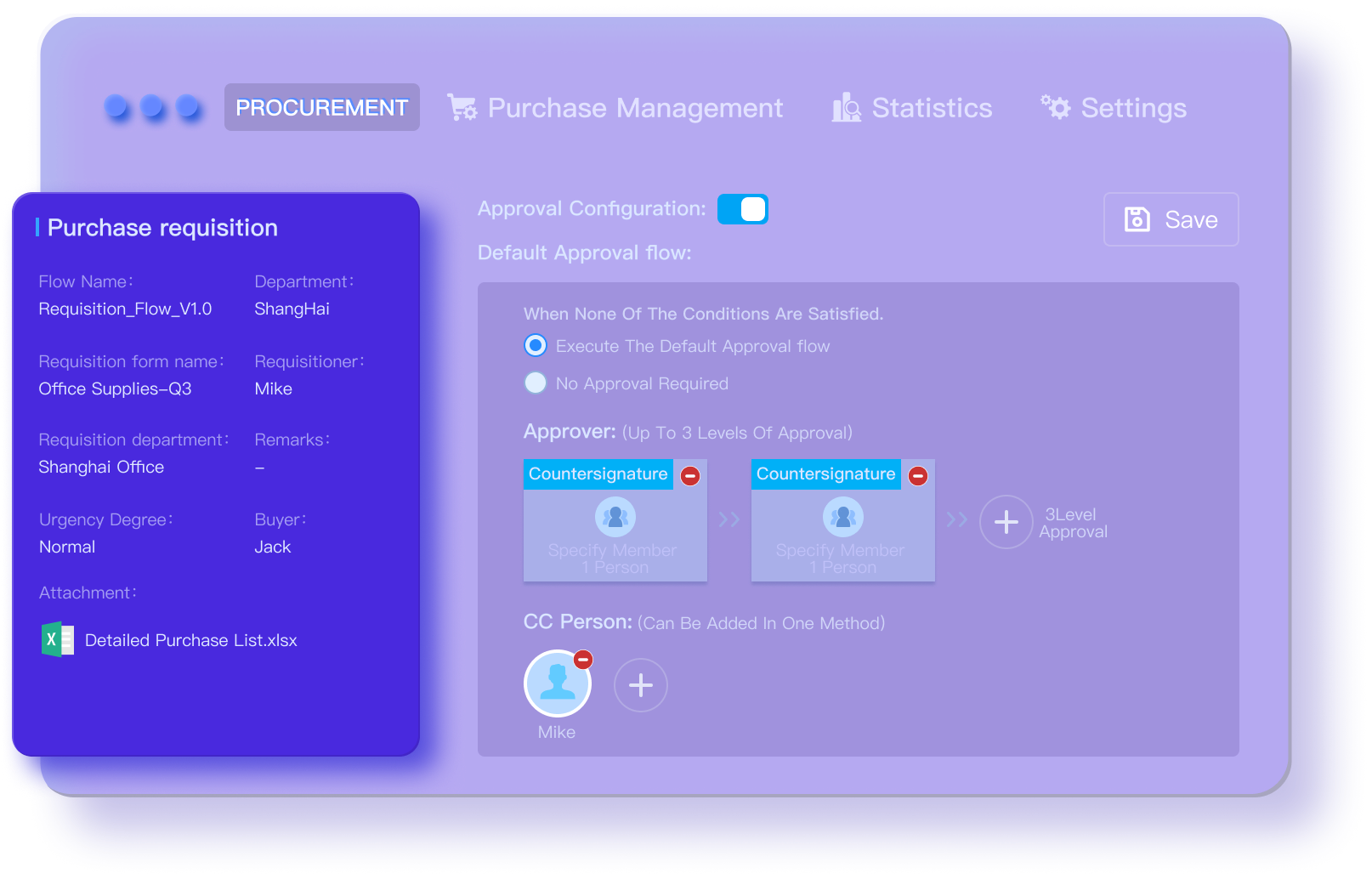
Procurement translates inventory consumption, equipment demand, site operations, and user requests into controlled purchasing workflows that can be justified by real lab usage.
Request intake, approval routing, budget context, and purchasing status.
Demand signals from inventory thresholds, utilization trends, and operational needs.
Traceable records that connect buying decisions back to stock risk, utilization, consumption, and supplier performance.
Evidence for consolidation, replenishment timing, avoided waste, and spend-priority decisions.
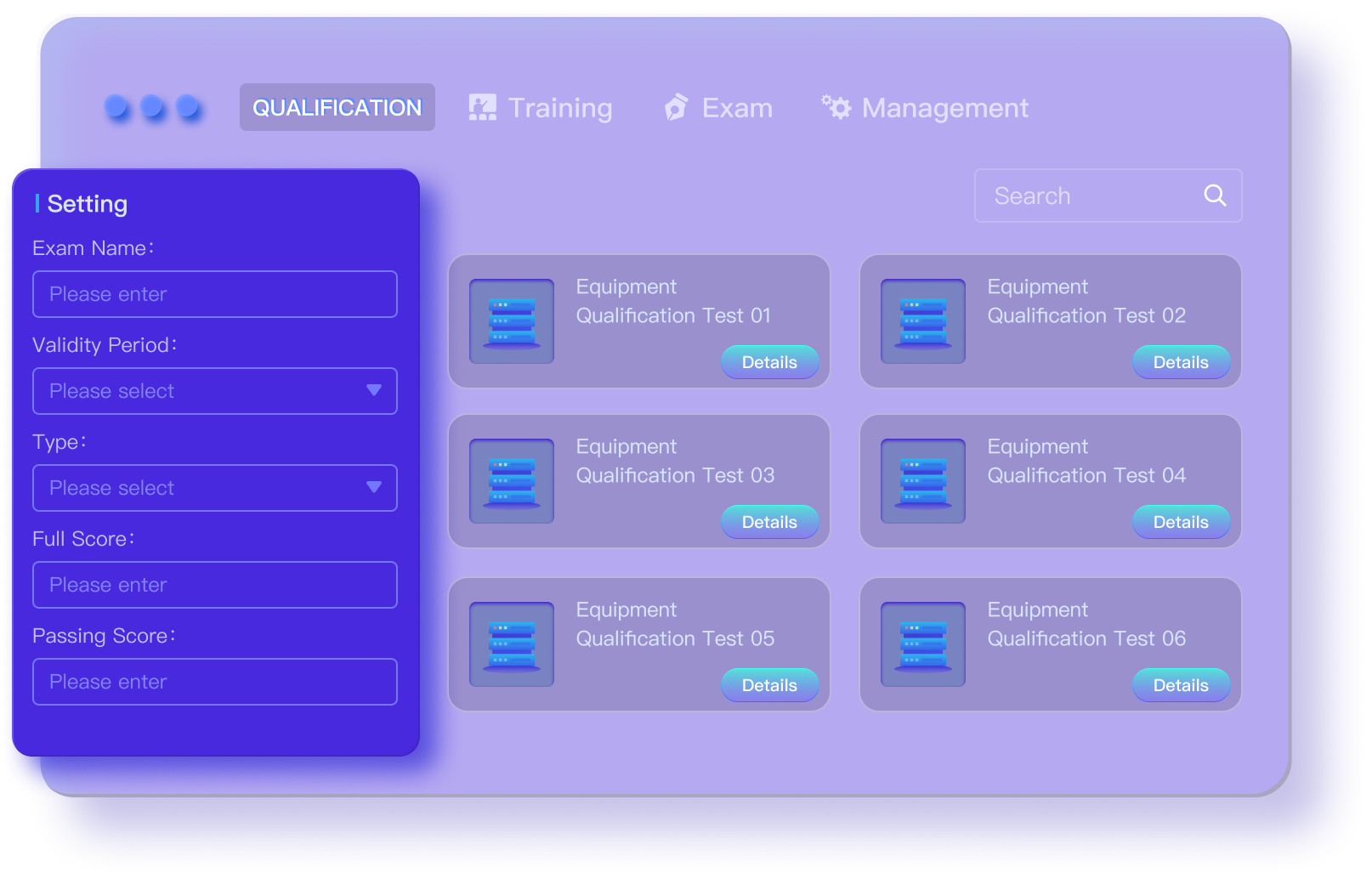
Qualification ties training, authorization, role readiness, renewals, and access eligibility to the workflows and assets people use.
Training records, competency status, renewal schedules, and exception handling.
Role-based authorization for equipment, spaces, materials, EHS response tasks, and regulated workflows.
Audit evidence linking people actions to qualifications at the time of work.
Context created: readiness, authorization, responsibility, and compliance accountability.
Waste + EHS reporting
Waste
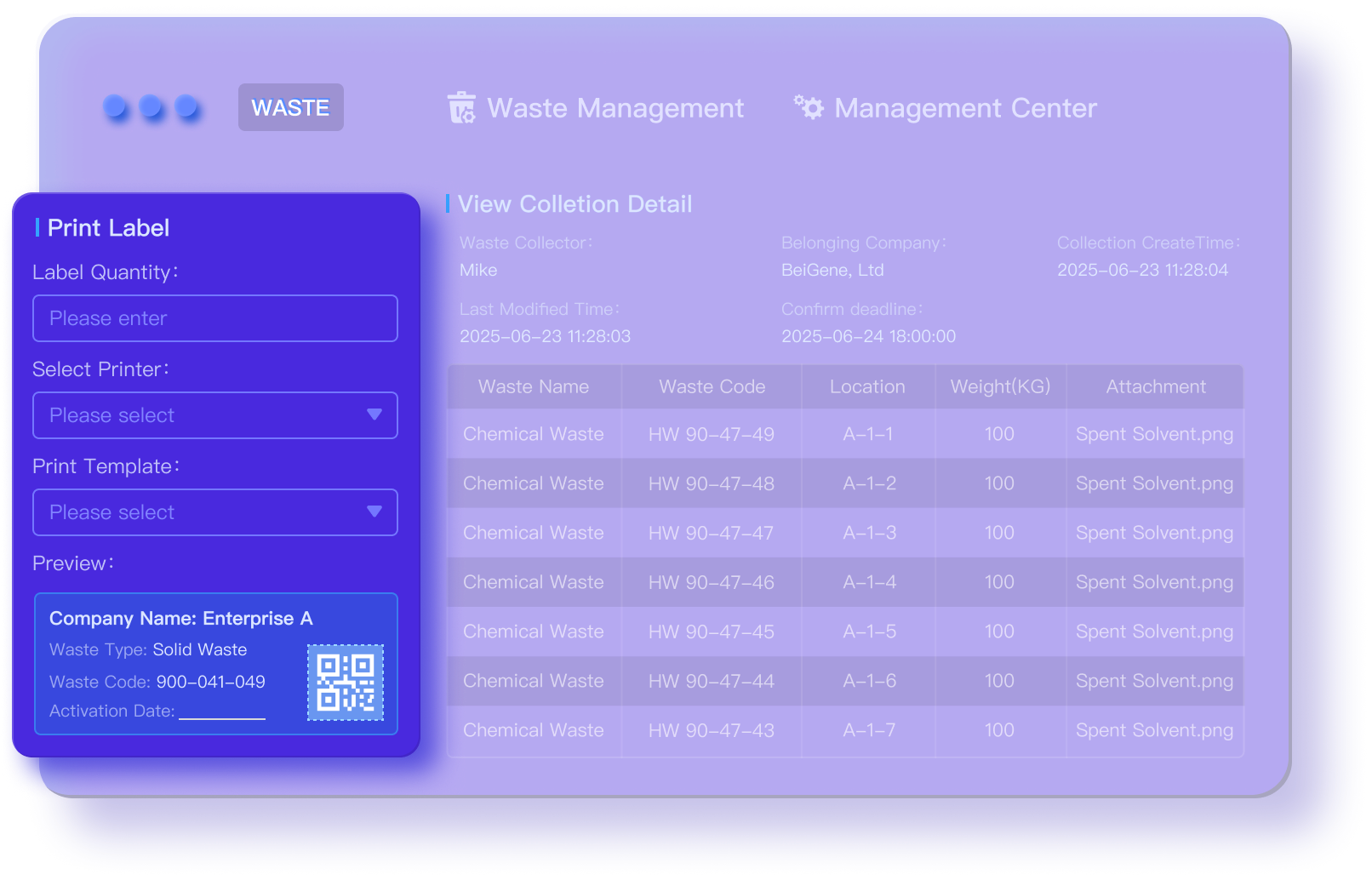
Waste structures hazardous waste generation, labeling, storage, pickup, transfer, disposal, and EHS reporting as one part of the broader safety operating evidence layer.
Waste container records, hazard classification, location, status, and ownership.
Pickup, transfer, and disposal workflows with complete activity history.
Safety reporting linked to inventory, space, people, and incident context.
Align physical conditions to the experiment window, not just the calendar
A PI or scientist should not have to infer experimental context from calendar time, memory, or separate
device exports. The question is whether the physical record can be aligned to the exact period under
review.
Define
Mark the experiment window
Use an experiment marker, sample check-in, equipment booking, incubator entry, workflow step, or LIMS/ELN integration to define the start and end time.
Overlay
Bring Guardian signals onto that window
Review CO2, temperature, humidity, door-open events, room state, power behavior, alarms, and disturbance history against the exact period.
Attach
Link samples and handling actions
Connect sample location, custody, retrieval, return, storage exposure, and responsible users so condition history stays attached to the scientific record.
Decide
Support repeat, exclude, annotate, or publish
Use the physical timeline to decide whether a result needs rerun, exception review, methods notes, or reproducibility context.
Start by configuring Guardian around the first scene you need to prove
The software rollout starts with concrete operating logic: what event matters, who owns it,
what record must be created, and which adjacent module needs that context next.
Trigger
Define the event that should not be missed
Choose the first freezer, cryo, gas, incubator, equipment, or inventory condition that needs alerts, thresholds, owners, and escalation rules.
Record
Decide what evidence the event must create
Configure the Guardian record with signal history, response ownership, corrective action, sample or asset impact, and QA/EHS review context.
Extend
Attach the next workflow only when it adds context
Add Equipment, Inventory, Samples, Qualification, or Waste when the first scene needs usage, material, custody, training, or disposal records to explain impact.
For EHS teams
Turn safety signals into a traceable EHS response workflow
This is the product-level continuation of the EHS role path: connect alarms, exposure context, incident records, waste evidence, and corrective follow-up before the safety story fragments across tools.
Safety signals
Connect rooms, utilities, and containment assets
Use Guardian with gas, camera gauge reading, oxygen, room IAQ, pressure, and fume-hood containment signals to explain abnormal conditions and response timing.
Incident record
Capture incidents and near misses
Create an EHS record from an alarm or manual report, then link event type, location, severity, people, notes, response steps, and corrective action.
Exposure context
Link materials, spaces, and authorization
Connect chemical inventory, SDS, storage zones, equipment, access history, and qualification status so safety events are not investigated in isolation.
Waste records
Classify, label, store, and dispose
Track hazard class, container status, storage location, owner, pickup, transfer, disposal, and exception history.